Resource of the Month! New resource development: Parents’ voices in low and middle income countries
Raising awareness of CI for children and infants in Low and Middle Income Countries
A new project: Thank you to all those who have helped by sending in their stories!
It all begins with Awareness – without Awareness there is no Information, no Demand and no Access! Carolina Der, WHO
Huge thanks for all the wonderful stories from across the globe, from people who have taken the time to share their journey so that we can all learn from each other. Our LMIC project team grew from CIICA Conversations and please visit www.ciicanet.org/events to read the meeting summaries which led to this research project. Now, 75 stories from 19 countries are now available for you to read – and the final report later this year. The stories highlight challenges and successes in accessing and using CIs and corresponding services for their children in LMIC as part of Ear and Hearing Care.
Read our project overview, written by Hillary Ganek, (Brock University, Canada).
See the map and quotes below:
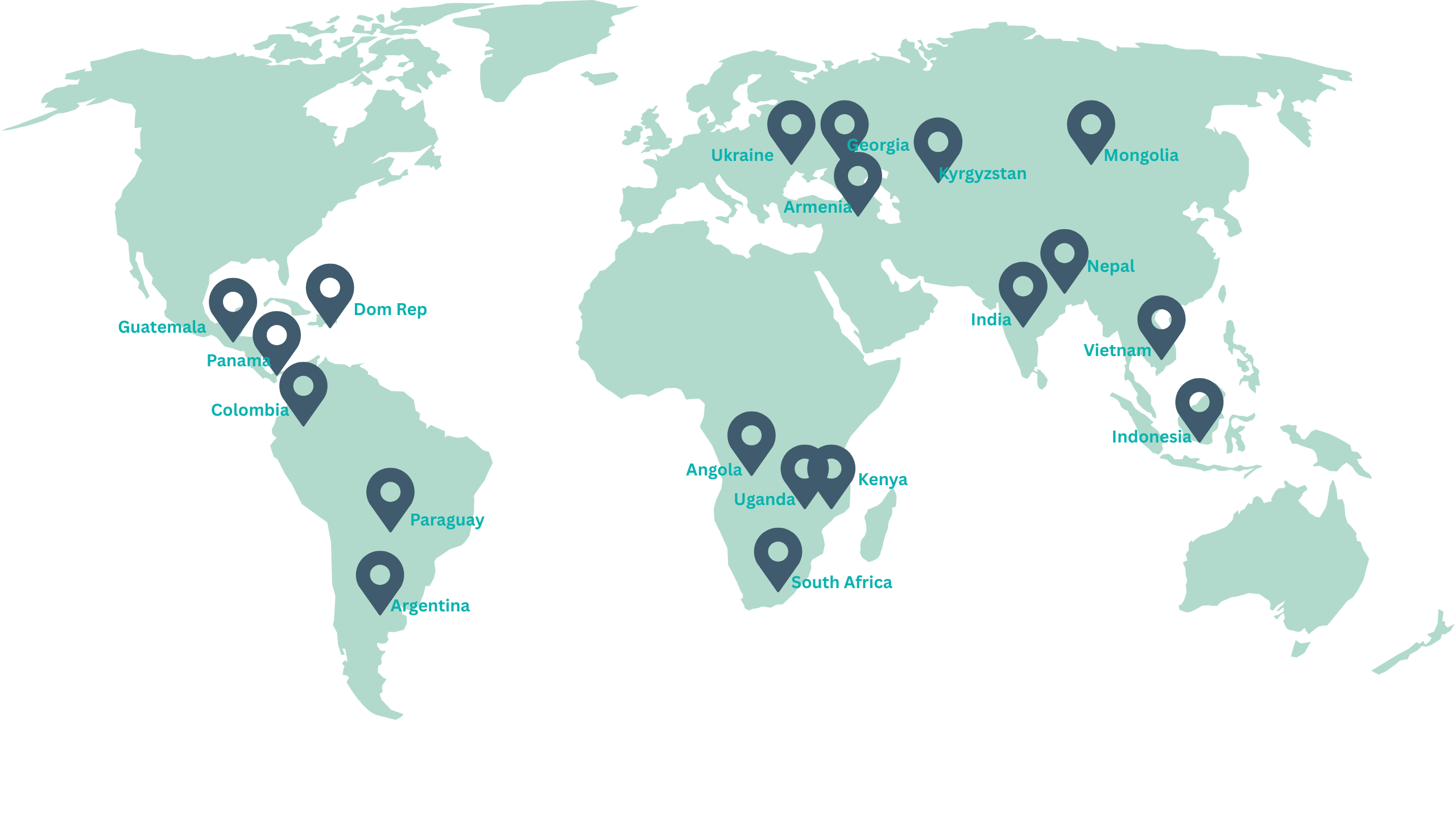
Read all the stories received, from 19 countries!
ANGOLA | ARGENTINA | ARMENIA | COLOMBIA | DOMINICAN REPUBLIC | GEORGIA | GUATEMALA | INDIA | INDONESIA | KENYA | KYRGYZSTAN | MONGOLIA | NEPAL | PANAMA | PARAGUAY | SOUTH AFRICA | UGANDA | UKRAINE | VIETNAM
The essays presented in this collection have been lightly edited for clarity in English and the anonymity of the storytellers and their support systems. Throughout the stories, families use technical terms to describe hearing loss, hearing technology, and the professionals who support them. These words vary between countries, cultures, and narrators. We have not standardised the language used across stories as it reveals how each parent positions themselves as caregivers and in relation to their clinicians and educators. A glossary is included to clarify some technical vocabulary.
Note: Signed consent was obtained from the families, prior to publishing these stories on our website.
DOWNLOAD THE FULL STORYBOOK HERE
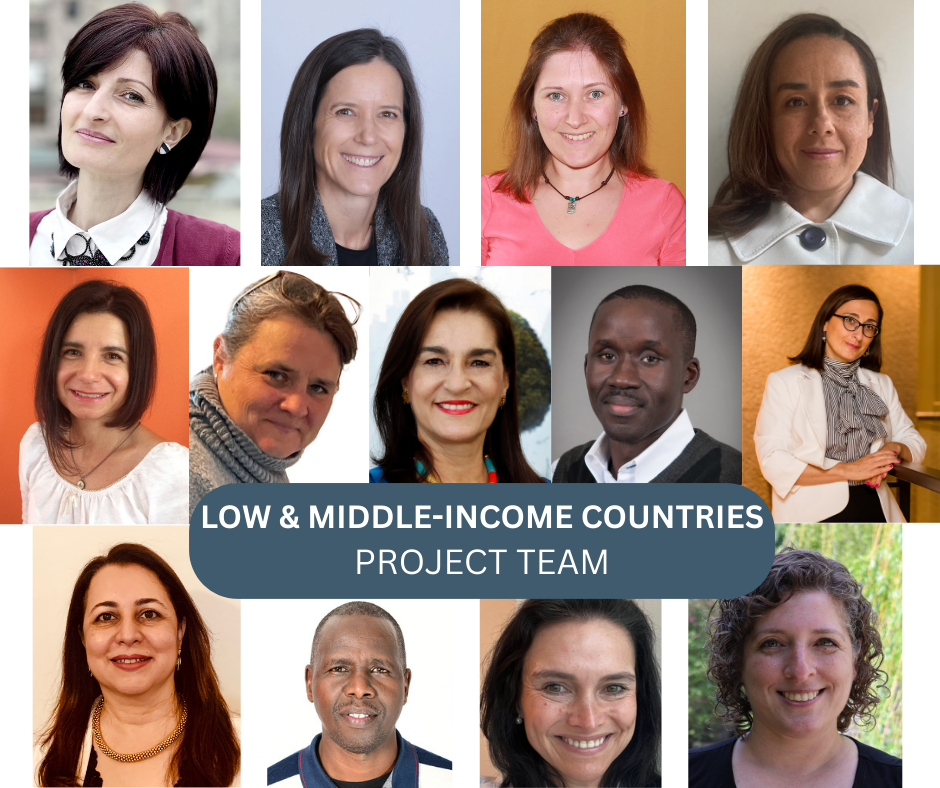 Acknowledgements: CIICA would like to thank all of the families who were willing to share their stories on this platform. We would like to acknowledge the work of the LMIC Project Team, Vahishtai Daboo, Carolina Der, Katalin Gal, Steve Kittur, Eddie Mukaaya, Tanya Saunders, Lusine Stepanyan, Paige Stringer, Ekaterine Tortladze, Giovanna Troncoso, Marcela Varela Vargas, and Liubov Wolowik, for assistance in developing this project, inviting caregivers to share their stories, and reviewing the final product. Also thanks to Neelam Vaid and Jenny Perold.
CIICA also thanks Hillary Ganek and her students, Myia Bennett, Mya Booker, Haleigh Grant, Ashleen Hale, Eryn Hussey, Jesna Magno, Ashley McNaughton, and Merit Omedo for editing and organizing the stories.
Project supporters:
See videos from two young adults, advocating for services in LMIC:
PLEASE NOTE: CIICA reserves the right to review and edit all stories and select those that appear on the website and other CIICA communication tools.